Street Photography with the Canon EOS-M3

Packing the camera for a trip always presents a set of vexing decisions for a photographer. What do you plan on shooting? What gear will be needed? This particular trip would be to a place I have never been and would present a range of unique photo opportunities. Nicaragua for the first time!
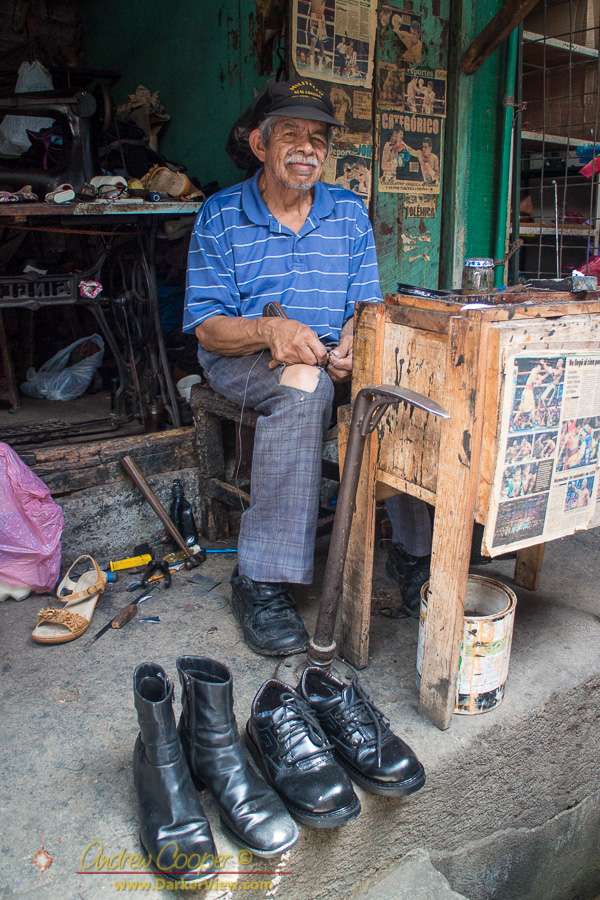
Cobbler
A cobbler practices his trade in the Boaco market

While I had never visited Nicaragua I had been in Mexico many times, I expected the photographic situation to be much the same, an expectation that was not disappointed. Each town in Latin America may be unique, but at at the same time looks much the same as the last. The character of these towns offers varied photo opportunities. Best of all to my thinking… Many towns feature markets, a sampling of the people and goods unique to the region, a condensation of the local culture in one convenient place.

Thus I chose my gear uncompromisingly for street photography. Leaving the big DSLRs and lenses at home I loaded two EOS-M bodies. I have one original model and one of the new M3’s purchased just before the start of the trip. These two cameras would take very little room in the luggage and offer a good range of capability. Traveling with only a single backpack meant space was at a premium. The primary lens would be the 18-55mm to allow a good general purpose walkabout capability.
Continue reading “Street Photography with the Canon EOS-M3”

Vintage Glass

One of the advantages of a mirrorless camera, like the EOS-M, is the very shallow backfocus requirement. The distance from the lens mount to the sensor is quite small, allowing use of just about any series of lenses on the market. All that is needed is the correct adapter, a need that several specialty manufacturers have addressed with products. The result is that the camera is useful in a wide range of photographic experiments and projects.

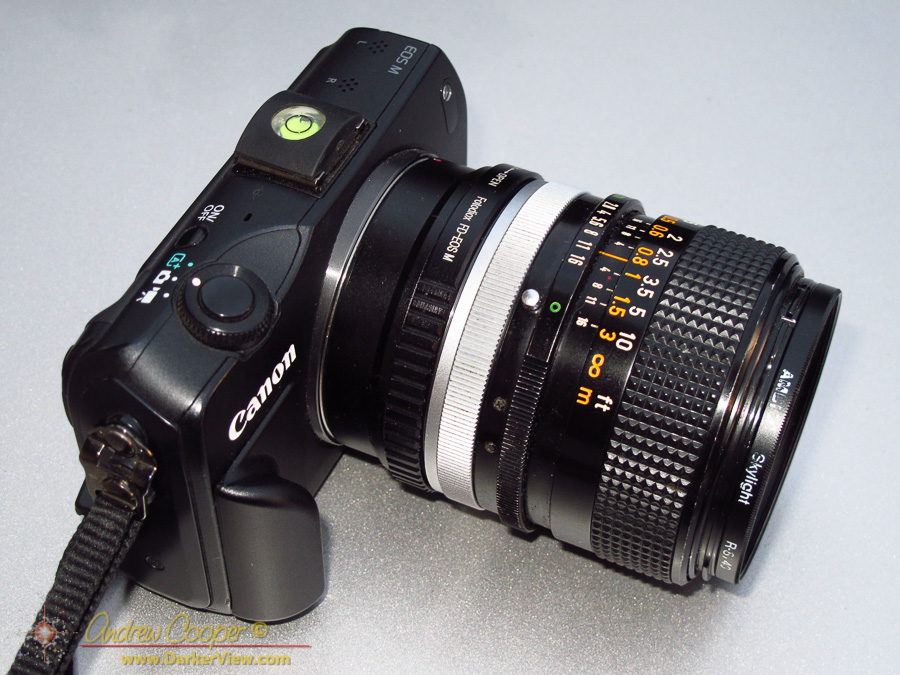
EOS-M with Canon 24mm f/2.8 FD
The EOS-M with a Canon 24mm f/2.8 FD lens mounted
This includes older lenses from years past such as the Canon manual focus FD system from decades ago. Forgotten by most, these lenses have none of the modern features photographers have come to expect. No autofocus, no image stabilization, just solid optics from an age now past. These old lenses are not obsolete, there are creative uses still available for these classic lenses.

Any sort of zoom lens need not apply, the quality of the older zoom lenses often suffered. Designed without the aid of modern optical design software and without aspheric elements these designs fall short of modern standards.

You can find these classic lenses languishing on shelves in the back of camera stores, in garage sales and on eBay. There is a lot of junk out there, it takes some research to differentiate the good from the bad. A couple quick rules of thumb will sort out most of the junk… Stick to a first rank name in old camera gear; Canon, Nikon, Ziess, Hasselblad, and Leica. The next hint of a hidden gem is the focal ratio. The classic primes were fast, f/2.8 or faster. Still, it is wise to look up the history of the lens before plunking down any cash. The good lenses will be well written about, even in modern times. You will find good references with a quick web search.

Continue reading “Vintage Glass”

Oregon in 1985

More scanning, more memories. Taking these old photos out of the boxes has been fun. So many little treasures on celluloid. Photos of myself as a teenager, photos of the neighborhood I grew up in. There is so much of my life stowed away out of reach, converted to digital they live again…

Hawaiian Heavens

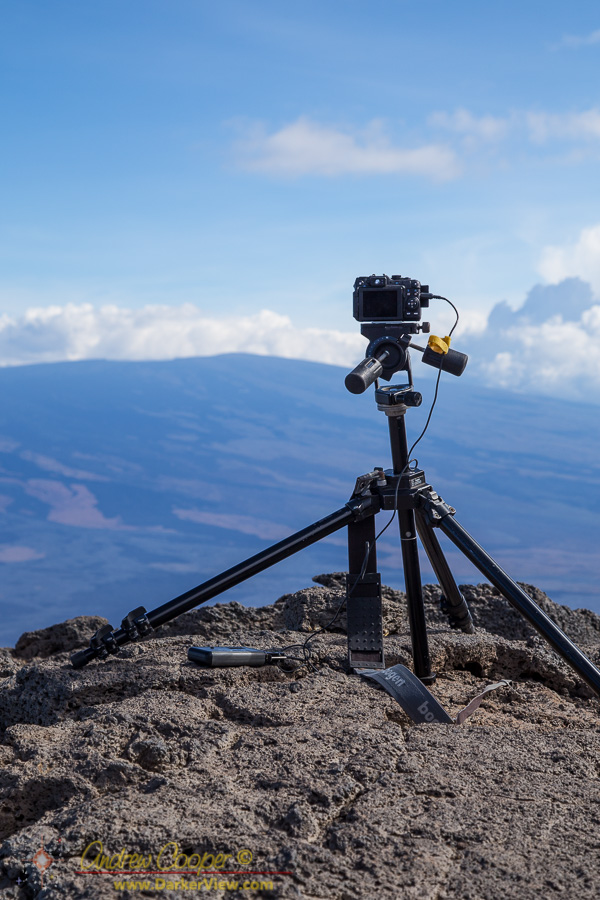
You might recall a post from back in May describing a night spent on the summit with Jason Chu. He has been accumulating time lapse material for a significant project, capturing the telescopes of Mauna Kea under the beauty of the night sky.

Jason has published a preview of the work. Nice to see it come to life with a decent soundtrack and good editing…

Traveling through Switzerland

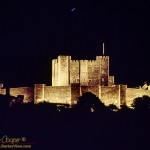
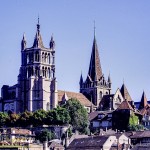
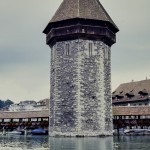
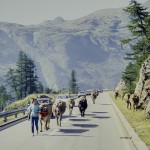
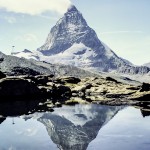
One of the first binders of slides I grabbed for digitizing happened to be a trip through Switzerland that I took in 1987 with my family.

I was living in England at the time with the USAF. My parents and brother joined me there. We then crossed the channel from Dover to Calais, changed trains in Paris, taking a high speed train to Lausanne. From there my brother and I bounced around with some Swiss bus and rail passes until we rejoined my parents in Zermatt.

It was a memorable trip, there is so much I can remember from thirty five years ago. Going through these old slides certainly brought back memories!

Slides to Digital Photos

The problem is several thousand color slides stored in containers in a closet. These slides range in date from my earliest forays into photography as a teenager, through years of living in Europe on active duty with the US Air Force, to many years of traveling the desert southwest with a camera. I have carried a camera for my entire adult life, as a result there is a photographic treasure in my old photos.

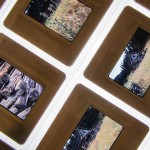
Slides
Slide film awaiting digitizing
Everything taken in the last thirteen years is digital, a record of my life and travels that is very precious to me. Before that the photos seem locked away and inaccessible, as if my life did not exist before 2002, when I bought my first digital camera. I have found my digital photo collection enormously useful, it is indexed, key-worded and instantly accessible. While locating a slide for use is a major effort, find the right box, the right binder, then I have to scan it for use in digital media. Or even remember that the photo exists!

The digital archive is also quite easy to duplicate for safekeeping. A two terabyte hard drive can hold the entire collection. A couple hours to copy and every image is safely stored, preferably at a remote location in case of disaster. There are several copies, one in my office at work, another at my parents house in Portland.

These arguments are obvious, the collection needs to be digitized, but the effort of scanning those slides is enormous. I really need a way to perform this task with a minimum of effort and cost. I have started this project several times over the years, only to be discouraged by the effort needed and quality issues.

Scanning

Many authoritative sources recommend scanning as the method of conversion and various scanners are recommended, usually the Nikon CoolScan or Plustek units.

Why do so many recommend scanning as the preferred method of digitizing slides? Certainly professional photo lab scanners are the best possible method, offering resolution far in excess of any scanner generally available at any reasonable cost. I suspect that one factor is decisive… Until the latest generations of digital cameras the resolutions of scanners were far higher than cameras could offer. the linear CCD’s used in scanners offered very high resolutions at a very affordable price point.

Continue reading “Slides to Digital Photos”

Unintended Photos 3

I do not do experimental photography… Usually.

I have an uncle that does. He slides the saturation to eleven and publishes the results on his Facebook account. The results are… Interesting? But then it was this same uncle who is at least partly responsible for my getting started in photography when I was a teenager.

Occasionally I come up with the odd bit of happenstance. I was testing some photo processing Python code, a script intended to allow HDR processing of digitized slides. I needed a bunch of test frames so I just shot a bunch of bracketed sets at my desk and on the lanai a few feet away to create a whole directory of test material.

I did not intend any of these frames to be kept. HDR sets taken with a handheld camera? Nothing would align correctly!

A couple of them were… Interesting?

Experiment
A test exposure that was interesting enough not to simply delete.