Postcard from the Universe – Orion Nebula with the EOS-M

The first astrophoto taken with the EOS-M. Considering the trouble it is to manually trigger the exposures without proper camera control, I am surprised I stuck it out to take 40+ subs. Since 30 seconds was the longest I could program the camera for I simply maxed out the ISO and took a lot of subs plus a dozen darks. There is still way too much noise in the resulting frame. Still, the ISO 12,800 frames are not all that bad, better than I expected. If this camera had remote control it would be a decent little astro camera. Longer subs and a lower ISO would deliver decent results.

NGC1976 The Orion Nebula
The Orion Nebula with and EOS-M, 40x30s exposures @ ISO12,800, AT6RC and 0.8x focal reducer, a set of 12x4s exposures used to reveal detail in the core.

Astrophotography with the EOS-M

In the few days I had the camera I was determined to acquire some astrophotography test shots with the EOS-M camera. Even if it meant getting up at 3am to have some dark sky after moonset. It would have been easier a few days before, but a Pacific storm system had provided several days of overcast with occasional rain. This particular morning was just about perfect, clear skies, decent seeing and no wind to bounce the telescope around.

Astrophoto Setup with the EOS-M
Astrophoto setup with AT6RC, SBIG STi autoguider and the EOS-M camera
For testing I used the same setup I often use with my Canon 20Da or 60D. An Astro-Tech 6″ (150mm) Ritchey–Chrétien telescope riding atop a Losmandy G11 mount. A 0.8x focal reducer has T-thread at the rear allowing a Canon EOS lens adapter. To attach the EOS-M I used the Canon M Mount to EOS Mount adapter. An SBIG STi autoguider completes the setup.

The result is an f/7 optical system with 1080mm focal length. This gives a field of view of about 72×48 arc-minutes (1.2 x 0.8 degrees) on the sky when using a camera with an APS-C sensor.

Continue reading “Astrophotography with the EOS-M”

Canon EOS-M

DSLR cameras have been the design of choice for professional and serious amateur photographers for over a decade, ever since the era of digital photography began. Big lenses and big sensors made the most of what light was available offering the best possible photographic performance. This performance is a huge jump over what the smaller lenses and sensors of compact cameras offer. A performance gain that makes carrying such a large camera worthwhile.

A DSLR is big because of the demands of the available technology. The swinging mirror directs light into optical viewfinders and phase detection focus sensors. Over the last couple years a new type of camera has appeared, taking advantage of advances in technology to dispense with the bulky swinging mirror design. Fast, high resolution electronic viewfinders and better focus technology allow this transformation. Engineers can create a camera far smaller while keeping the large sensor and interchangeable lens. Better yet, getting the lens closer to the image sensor allows a smaller, lighter, less expensive lens without sacrificing performance. Enter a new paradigm of camera that offers much of the performance of a DSLR in a compact design.

Canon EOS-M
The Canon EOS-M with the 22mm f/2 kit lens
All of the major players have now released their own spin on the mirror-less design. Panasonic and Olympus jointly released compatible designs under the Micro Four-Thirds standard. Sony has released their NEX system and Nikon the Nikon 1 system. A number of lens makers, Zeiss, Tamron, and Sigma now make lenses for these cameras. Canon was the last to release an entry into this new market segment.

Continue reading “Canon EOS-M”

Aurora Borealis

This trip to Alaska offered an opportunity that I had not experienced on previous trips due to the confluence of two conditions… I would be visiting later in the year than usual, it would actually get properly dark. When visiting Southeast Alaska in June and July the amount of darkness is dramatically limited by long summer days. The second condition is even less easily arranged… Our Sun is near the peak of its eleven year solar cycle. This results in more solar activity including large sunspots and energetic solar flares.

Put the two of these factors together and there is a good possibility of seeing the Aurora Borealis.

It is only a possibility, not a certainty by any measure… This was not a trip to the far north, where the auroral circle usual sits. If one were to travel north of Fairbanks into the true arctic one is almost guaranteed to see the aurora during solar max. I would be traveling between Juneau and Anacortes, from 58 to 48 degrees north latitude. At these latitudes it would take a strong geomagnetic storm to bring the aurora south into view. The chances of such a strong storm were relatively good, we are currently experiencing an active Sun near solar maximum, averaging a decent storm every month or two. In any case the odds were a bit better than seeing the aurora at home in Hawai’i.

At least there would be no light pollution to deal with, significant outposts of civilization are sparse along the route we would be traveling. One complication would be weather… Of the twenty days I would spend in northerly latitudes, about half were clouded over, thus the odds of seeing a good auroral display were modest, maybe even unlikely.

We got lucky.

Continue reading “Aurora Borealis”

Inside Passage

It took 3 hours to fly to Juneau, it took 18 days to get back.

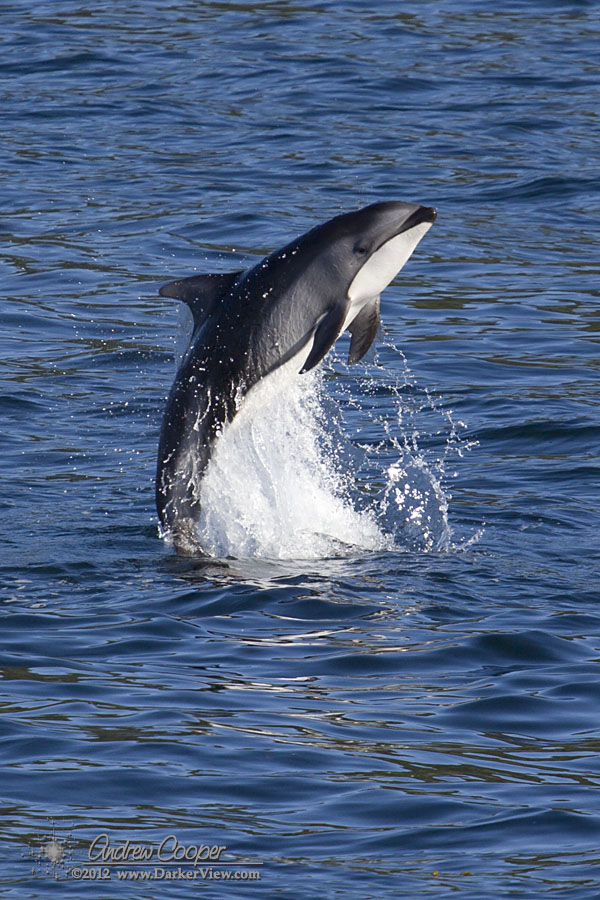
The video is done. Shot with a Canon 60D, a Canon G11 and an iPad, the video documents the voyage from Juneau to Anacortes I took last month. Bears, whales, dolphins, and a whole lot of water. It was a great trip, I can only hope I convey a little of the experience in the video.

Compressing 1,800+ photos and dozens of video clips to three minutes is an interesting exercise. This is compounded by the thousands of timelapse exposures that needed to be assembled. It went surprisingly quickly this time, a mere three evenings of work. (As long as you classify evening as getting to bed before 2am.) Either I am getting better with the tools, or I just got lucky when it came to fitting the thing together.

I have produced several videos about these voyages by boat through the wilds of the Pacific Northwest. How do you keep each video from looking just like the last? This time I changed it up stylistically, opting for a much more driving soundtrack coupled with the frenetic pace of timelapse.

Does it work? I will await your judgement.


Inside Passage from Andrew Cooper on Vimeo.