
Ghost Forest
When you want to see the stars, find someplace dark


When powering up a nearly three decade old computer for the first time I should really have a video camera running…
The loud pop, and the stream of smoke issuing from the side vents was bad enough. It was the ominous orange glow seen for just a couple seconds from the same vent that really sent me the message…
Not good.
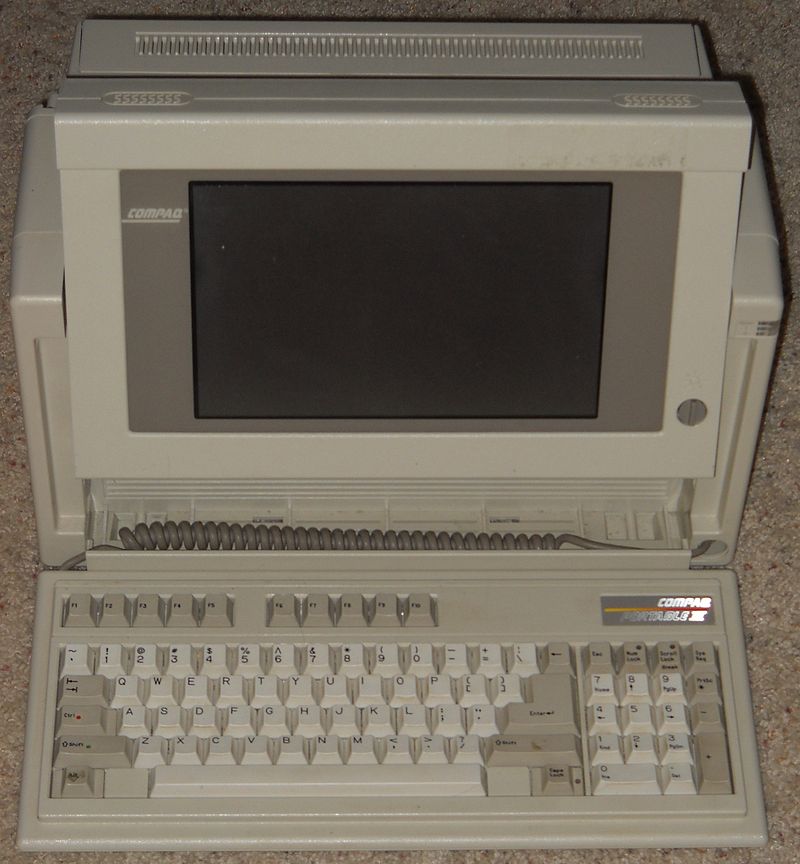
Without this machine it will be very difficult to program the old PLC the dome runs on. I do have a replacement for that PLC controller running in my office, but I face the challenge of verifying the design, I would like to run the old software in the test setup to compare it to the new. I would also like to have a backup in case something goes wrong during the transition, a way of putting the old PLC back into the system and programming it.
Continue reading “A Pop, a Puff of Smoke, and an Ominous Red Glow… Not Good”
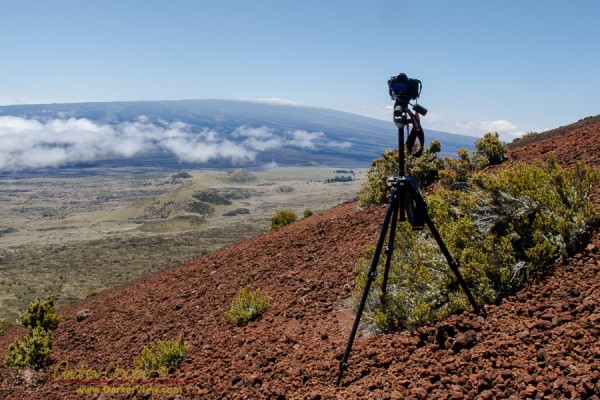
I work at the summit of a nearly 14,000ft mountain that sits atop a pretty tropical island. That alone is good enough reason to carry a camera at all times. You never know when you will need that camera, beauty appears when you least expect it.
The advent of digital cameras where the cost of each photo is negligible has made this possible. This would not have been practical in the days of film. Yes, I remember those days, counting out every frame of a 36 exposure roll, deciding if the shot was worth it. In this digital age I usually have a dedicated camera along and never worry about shooting. If that camera is out of reach there is always the iPhone in my pocket.
The equipment I work on is often unique, there may be only one copy in the world. Two if we have one installed on both Keck 1 and Keck 2. The documentation can be of varying quality, some is good, some is abysmal, some is just plain wrong. Some of this gear was professionally built by engineers, some of it was built by graduate students who would never need to fix it years later.


Small, upright leaved are densely spaced on the branches. The small (5mm or 1/4in) red fruits are not edible. The leaves of the plant were used for medicinal purposes by the ancient Hawaiians.
Today Mercury passes through superior conjunction, passing behind the Sun as seen from the Earth. The planet will appear in the sunset in ten days or so, reaching maximum elongation on May 7th.

There are quite a few well known, but undescribed species found island reefs. I have noted a few of them previously here on DarkerView.
Undescribed means simply that… The species has never been properly described in a scientific publication such that a species name is assigned. These do exist, and are more common than many people realize. Some marine biologist with expertise with related species needs to spend some time to capture a few, and do a proper description, an exercise that takes more effort than you might think.
I ran into another one recently. This anemone was quite common on the sandy slopes below the reef at Garden Eel Cove. There was a individual every three or four feet amoung the garden eels at 80ft depth. They are apparently an undescribed species of the genus Mesacmaea. More information can be found on Hoover’s update pages. This one should really be added to the next edition.
They were quite challenging to photograph. Quite small, less than an inch across, and quick to disappear into the sand when approached too closely.
