
Postcard from the Universe – Mirfak
Mirfak is the brightest star in Perseus, punctuating a rich starfield in the northern Milky Way. The image was shot at Oregon Star Party 2013 with the TV-76 and Canon 60D…

Lightning over the Star Party

Worpress 3.6 Running Slow?
So for the past few days Darker View has been really slow, ever since I updated to WordPress 3.6. Even the admin pages were slow, not just the public side. It could take 30-60 seconds to load a page, simply unacceptable. I knew it was WordPress as the part of the site that are static HTML had no issues, it was not the server… This time.
I have been poking about, trying to understand what was holding up the site, without much success. Today I turned off all the plugins, everything. Then brought them back one at a time. I expected the issue to be Jetpack, one of the more involved plugins that works on both the public and admin sides of the site.
One by one, with plugins restored, I tested page load times. Now I am at a loss to understand what was wrong… When I finished turning all of the plugins back on the site is working fine, with quick load times. Did I just need to reinitialize stuff? Turning Jetpack back on requires you to re-login to the WordPress servers.
All seems well… For now. I will have to keep an eye on things. Maybe next time just deactivate and reactivate Jetpack.
The Milky Way and Me
Josh, Thanks for sending me the photo!
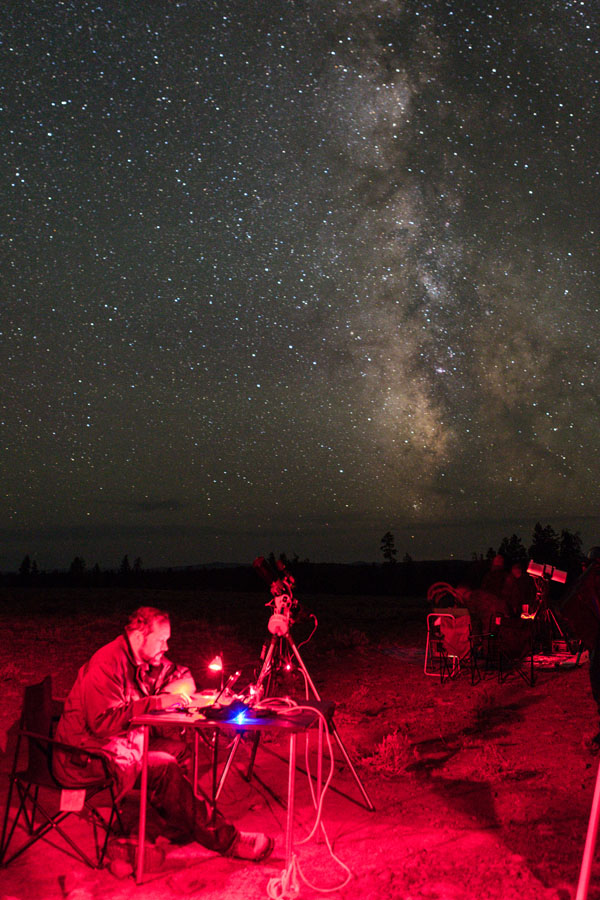
Oregon Star Party 2013 Photo Album
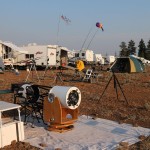

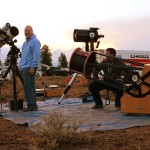
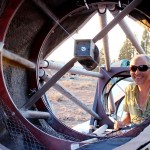
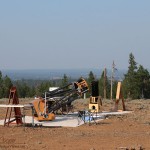
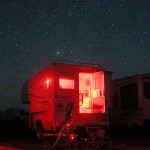
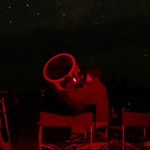
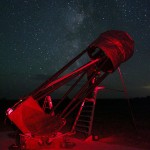
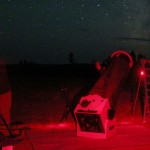

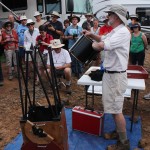
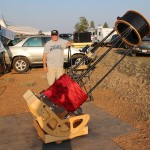
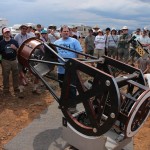
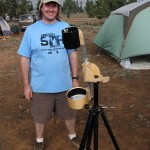


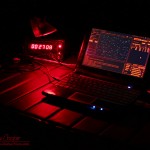

Oregon Star Party 2013
The plan is simple, a vacation combining a visit to my family and a run to Oregon Star Party. I miss doing the larger regional star parties, six telescopes is a big star party on the island. OSP would feature hundreds of telescopes, speakers, and hopefully dark skies. I also volunteered as a speaker, may as well bring and share little Keck experience.
The site is quite remote, no nearby hardware store to replace a missing bolt, no internet connection to allow download of a missing driver. The setup would have to work with what was packed to start with. Several iterations of packing showed that two cases would be required to carry the setup. An ancient hard suitcase I have had since my Air Force days, and a hard equipment case purchased years ago for a portable telescope I have yet to build. At least both had wheels and could be hauled by one person through an airport terminal.
After a few very nice days visiting with my parents I steal away in the camper for the drive to OSP. Four hours sees me over the Cascades, into the Ochoco Mountains east of Prineville. It is a very pleasant drive, a beautiful day, open roads, Mt. Hood soaring over the trees that line the highway. The sort of driving you just can not do on the island, the sort of vacation I grew up with.
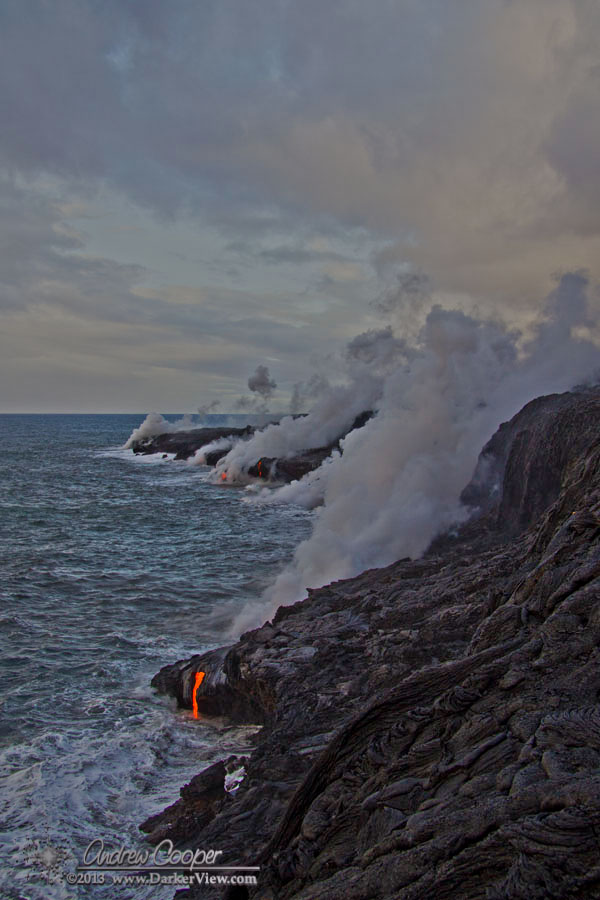
Lava Entry Toned
Same shot as yesterday, but some severe toning put into the mix. Processing this way can reveal a great deal of texture lost in a more realistic processing of the image. The result is a hyper-realistic image. Such images are fun to play about with, but are they real? Are they honest? Are they art?
Ocean Entry

Postcard from the Reef – Too Close
It was a reasonably big eel, not the largest I have seen, but large. I stopped to take a couple pictures, even though I have plenty of photos of yellow-margin moray. The yellows are among the friendlier members of the morays, known to play with divers. Undulated morays, on the other hand, are downright nasty, biting at anything that intrudes on their space.
This is too close.
When this fellow comes out to inspect the camera, it is my turn to pull back a bit. True, it is the camera front and foremost, most likely to get nipped. Still, I give the eel a fair amount of respect, a “friendly” eel still possess a substantial bite.
